Focused arrival windows
Useful updates and clear arrival timing.
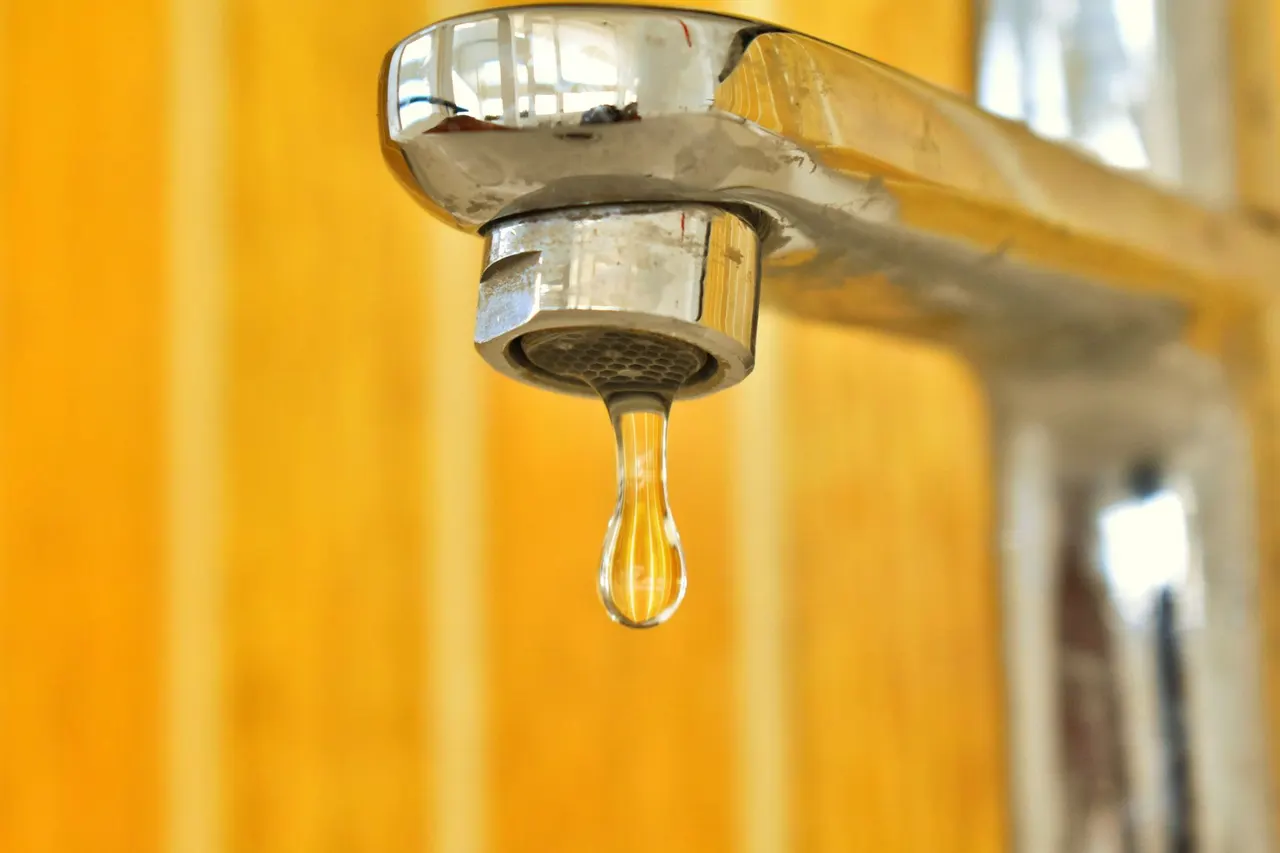
Acoustic Water Leak Detection in Whittier uses ultrasonic listening devices and ground microphones to hear water escaping under slabs, lawns, and driveways. If your meter spins with every fixture off, or a warm spot spreads across the floor, our licensed technicians trace the sound to within inches. We serve homeowners and property managers across Whittier, CA and Los Angeles County, seven days a week.
Useful updates and clear arrival timing.
Review the approach and price before deciding.
Equipped vehicles and respectful cleanup.
Neighbors serving neighbors with follow-through.
Every call-out covers the full trace, a second confirmation tool, and a written report. We do not charge extra for the report, the photos, or the paint mark. If the leak turns out to be in a drain line or a pool line, we tell you on site and quote that trace separately before we start.
We pass a ground microphone over the suspect slab or yard in three-foot intervals, logging the loudest reading at each point. The sweep covers the whole pressurized run, not just the area you pointed at, so we do not miss a second leak.
Every acoustic hot spot gets cross-checked with a thermal imaging camera, tracer gas detector, or pressure test. Two methods agreeing on one location is our standard before we mark anything. That is what makes the report usable for your repair plumber.
We paint the leak point on the slab or turf and photograph the instrument readings at that spot. You get the images by email the same day. Your plumber can quote the repair from the report without a second diagnostic visit.
The report names the pipe material, the estimated depth, and the leak location relative to a fixed point like a wall or meter. Adjusters and plumbers both work from it. Most reports go out within two hours of the on-site trace.
Before we leave, we walk you through what we found and what it means for the repair. If the leak is under a slab, we explain the access options. If it is a yard line, we show you the run. No jargon, no rush.
Share what is happening and receive a clear next step from the local team.
Acoustic Water Leak Detection in Whittier is a non-invasive diagnostic service that listens for the high-frequency hiss of pressurized water escaping a pipe. We press ground microphones and ultrasonic leak detectors against slabs, walls, and turf, then filter out ambient noise to isolate the leak signature. Copper pipe, PEX tubing, and PVC pipe all transmit sound differently, so our techs adjust frequency ranges on the fly. Most residential traces finish in 60 to 90 minutes with no jackhammering and no guesswork.
Whittier's housing stock runs from 1920s bungalows near Uptown to 1970s tracts in the 90603 and 90606 ZIP codes, and both eras hide leaks under concrete slabs. Copper lines from the mid-century corrode at fittings, while older galvanized steel pinholes near the meter. When your water bill jumps 30 percent and the meter keeps ticking, acoustic leak detection Whittier CA is the fastest way to find the source before it undermines a foundation.

We ask three questions: where is the meter, what is the bill jump, and is the floor warm anywhere. That five-minute call tells us whether to bring slab gear or yard gear first. You get a two-hour arrival window and a text when the tech rolls.
We isolate fixtures and pressurize the line to 60 to 80 psi, then watch the pressure gauge and flow meter. A line that will not hold pressure confirms an active leak and tells us whether it is on the supply side or the drain side before we ever kneel on the floor.
Using a Sewerin or Gutermann ground microphone, we grid the slab or yard in three-foot passes and log the loudest reading at each point. Headphones on, ambient noise filtered, we narrow the loudest point to a 12-inch circle. This is the core of the acoustic water leak detection in Whittier California service.
We cross-check the acoustic hot spot with a thermal imaging camera and, on underground lines, a tracer gas detector. Two tools agreeing on one spot is our standard before we mark. You watch the readings in real time on the display.
We paint the leak location, photograph the readings, and hand you a written summary with depth estimate and pipe material. Your plumber uses that report to quote the repair without exploratory digging. Total on-site time runs 60 to 120 minutes.

The core listening instrument for slab and yard sweeps. Filters ambient traffic and HVAC noise so the leak hiss stands out at depths of four to six feet.
Handheld units that convert the 20 to 40 kHz leak signal into an audible range and a numeric reading. Used for tight spaces and fitting-level checks.
Confirm hot-water slab leaks by reading surface temperature differences as small as two degrees. Pairs with acoustic data to lock the location.
Push a safe gas mix into a drained line and sniff the surface above it. The go-to method for very low-pressure leaks and non-metallic pipe where acoustic readings are faint.
Prove the leak exists before we sweep. A line that will not hold 60 to 80 psi confirms an active break and tells us which side of the system to search.
Used on sewer line leak calls to see cracked joints, offset pipe, and root intrusion that acoustic gear can hear but not identify.
We isolate fixtures, pressurize the line to 60 to 80 psi, and grid the surface in three-foot passes. Each reading is logged and the loudest point gets a second pass at a tighter interval. This is the standard method behind every acoustic water leak detection in Whittier California call-out.
No location gets marked on one reading. We pair the acoustic hot spot with thermal imaging, tracer gas, or a pressure drop test. When two independent methods agree, the marked point holds up when the concrete opens.
On longer underground runs, two sensors placed at either end of the line measure the time delay of the leak sound. The math converts that delay into a distance, narrowing the break to a few feet on water main leaks and long service lines.
Copper pipe rings at a higher frequency than PVC pipe or PEX tubing. We adjust the listening band to match the material, which is why we ask about pipe type during the intake call. It shortens the sweep and cuts false positives.
We run a full acoustic sweep of the supply lines plus a pressure test before you close. The report tells you whether the old repair is holding and whether a second leak is developing. It takes about two hours and gives you negotiating leverage. You walk into escrow knowing the condition of the underground plumbing, not guessing. If a leak shows up, you have a documented number to ask the seller to credit.
We schedule a same-day acoustic leak detection Whittier California appointment, trace the hot-water line, and mark the leak. The tenant gets a two-hour window and the report goes to you by email the same afternoon. You stop the water loss, get a repair quote from your plumber without a second diagnostic fee, and keep the tenant in place instead of relocating them during repairs.
We pressure-test the pool plumbing, then acoustic-sweep the return lines and skimmer fittings. Dye testing confirms whether the loss is at a fitting or underground. The trace separates evaporation from a real leak before anyone digs. You get a marked leak location under the deck or at the fitting, and the repair crew opens one small section instead of replacing the whole line.
We bring ground microphones and flow meters sized for larger mains, trace the break during low-demand hours, and coordinate with your shutdown window. The report includes the leak location and the valve condition. Your crew repairs the main during a planned overnight shutdown instead of an emergency daytime cut that closes the building.
Whittier sits on a mix of older alluvial soil and expansive clay, and that clay moves with the winter rain. When a buried line leaks into expansive soil, the ground shifts and can crack a slab within a season, which is why we treat every high-bill call as time-sensitive. The city's housing stock splits roughly into pre-1960 homes with copper or galvanized supply lines and newer builds with PEX tubing, and each material needs a different listening frequency. We also work around Los Angeles County plumbing code requirements, so our reports name the pipe material and depth your repair permit will ask for. If you have been searching for affordable acoustic water leak detection Whittier CA open now, call (562) 271-1350 and we will tell you the next available window. Most Whittier traces finish in 60 to 120 minutes, and we cover the 90601, 90603, and 90606 ZIP codes daily.
Dense stock of 1920s bungalows with original galvanized and early copper lines. Pinhole leaks near the meter are common, and acoustic sweeps here often run short because the lines are shallow.
Larger lots with long yard service lines and pool plumbing. Underground leaks here often sit 30 to 60 feet from the meter, so we use correlation profiling to narrow the break before digging.
Mid-century ranch homes on post-tension slabs. We sweep carefully around tension cables and mark the leak so the repair crew avoids cutting a cable during access.
Newer builds with PEX and CPVC supply lines. Leaks here cluster at fittings and manifolds, so we pair acoustic listening with a fitting-by-fitting pressure check.
A leaking line saturates the clay, which shifts and can crack a slab within one wet season. We prioritize high-bill calls between December and March because that is when the damage window is shortest.
These materials pinhole at fittings and transmit a clean, high-frequency acoustic signal. We tune the listening band higher and usually trace them faster than modern plastic lines.
From June through September, irrigation lines run daily and buried leaks show up as soggy turf and a rising bill. We sweep yard lines during low-demand hours for a cleaner acoustic read.
Cables inside the slab limit where a repair crew can cut. Our report marks the leak and notes cable-safe access zones so your plumber opens the right spot the first time.
A homeowner near Uptown Whittier saw the water bill climb from $95 to $310 in two months. The meter spun with every fixture off, and a warm strip ran across the hallway floor. Two plumbers had quoted full-slab exploratory demolition.
Our acoustic sweep and thermal camera agreed on a point 14 inches from the bathroom wall. The plumber opened one 18-inch hole, replaced a corroded copper fitting, and the bill dropped back to $98 the next cycle. Total concrete work: one patch.
Maintenance: We recommended a pressure check every 18 months on the remaining copper runs and a water-meter read each month. Catching the next pinhole early keeps the repair under $600 instead of a slab replacement.
A rental property in the 90606 ZIP had a parkway that stayed soggy for three weeks and a water bill up 40 percent. The owner had already paid for one failed excavation that missed the line by eight feet.
Correlation profiling placed the break within two feet of the actual failure. We marked the run, and the repair crew dug one short trench and replaced four feet of PVC pipe. The soggy patch dried out within a week.
Maintenance: We suggested an annual irrigation inspection each spring and a flow-meter check on the service line. Both catch slow leaks before they saturate the soil again.
A family in Friendly Hills heard water running under the house at 11 p.m. By midnight the garage floor was wet and the meter was spinning fast. They called our 24/7 line and got a technician dispatched immediately.
The tech arrived in 85 minutes, traced the break to a pinhole in a hot-water copper line under the bathroom slab, and shut the line down. The plumber repaired it the next morning. Water damage stayed under $900.
Maintenance: We recommended a whole-house pressure regulator set to 65 psi and an annual acoustic check. High street pressure is what pinholes copper, and a regulator is a $200 fix that prevents a repeat.
Most Whittier leak calls start with one of these five symptoms. Each one has a specific acoustic signature, and each one gets worse the longer it runs. Here is what we find and what it costs you to ignore it.
A hidden leak can waste 2,000 to 8,000 gallons a month, and Los Angeles County water rates make that a $60 to $200 monthly loss. Left alone, the escaping water also undermines soil under the slab. We pressurize the line, watch the flow meter, and acoustic-sweep the supply run to find the exact break. Most traces finish in 90 minutes and give your plumber a marked location to open.
A hot-water slab leak heats the concrete above it and can warp laminate or tile within weeks. The moisture also feeds mold under the flooring, which turns a pipe repair into a flooring and remediation job. Acoustic listening isolates the hot-water line, and a thermal imaging camera confirms the hot spot. We mark the leak so your plumber cuts one access hole instead of pulling up the whole room.
That hiss is pressurized water escaping a pipe or a stuck fill valve. If it is a supply line, the leak grows with every pressure cycle and can burst without warning, flooding a room in minutes. We isolate fixtures first to rule out a running toilet, then acoustic-sweep the supply and drain lines. The trace separates a supply leak from a sewer line leak, so the repair crew brings the right tools.
An underground water line leak saturates soil, kills turf, and can wash out a foundation edge. On Whittier's older service lines, a small pinhole often becomes a full break within a season. Ground microphones and a tracer gas detector trace the buried line to the failure point. We mark the run and the leak, so excavation stays a short trench instead of a full yard dig.
Our technicians hold California Contractor License (C-36 Plumbing) credentials and train on the same acoustic platforms used by municipal water districts. We run Fluke and RIDGID meters alongside Sewerin and SubSurface Instruments listening gear, and we keep IAPMO certification current for cross-connection work. Local experience matters here: we have traced leaks in Whittier's 1920s bungalows, 1950s ranch homes, and newer PEX builds, and we know how each pipe material sounds underground. Every trace ends with a marked location and a written report your plumber can act on.
Our water bill doubled and we had no idea why. The tech grid-swept the whole slab with headphones and found the leak under the hallway in about an hour. He marked it with paint and gave us a report with photos. Our plumber opened one hole and fixed it the next day. No jackhammering the whole floor.
I manage six duplexes in the 90606 area and use these guys for every mystery water bill. They traced a yard line leak through the lawn without digging and confirmed it with a second tool. The report was clean enough that my owner approved the repair the same afternoon.
Called at 11 p.m. when we heard water running under the house. They had a tech out in about 90 minutes with acoustic gear and a thermal camera. Found a pinhole in a copper line under the bathroom slab. Marked it, shut the line down, and we slept fine. Worth every dollar.
Most residential traces run $250 to $450 in 2026, with underground and pool lines at the higher end. The flat rate covers the full acoustic sweep, a second confirmation tool, and a written report with the marked location. Emergency and after-hours calls add a $75 dispatch fee. We quote the total on the phone before we roll, so there is no surprise line item.
Four signs point to a hidden leak: the meter keeps spinning with every fixture off, the water bill jumps 20 percent or more, a warm spot spreads across the floor, or you hear running water when the house is quiet. Musty smells near baseboards and cracked stucco count too. Any one of those justifies a trace before you call a repair plumber.
Yes. Pressurized water escaping a pipe generates a 20 to 40 kHz signal that travels through soil and concrete, and our ground microphones pick it up at depths of four to six feet. We have traced slab leaks, pool leaks, and water main leaks under Whittier streets. Very low-pressure drip leaks are the one case where we add tracer gas to confirm.
Many California homeowner policies cover the leak repair and resulting water damage but not the diagnostic itself. Our written report with photos and the marked location is the documentation adjusters ask for. We can email it the same day so you can open a claim. Check your policy's hidden-leak endorsement before you file.
Not seeing your question? Our local team can help you understand urgency, scheduling and what to expect.
Ask the local team
Acoustic gear is the first tool we reach for on a suspected slab leak in Whittier. We listen through the concrete, mark the hot spot, and confirm with thermal imaging so your plumber opens one small hole instead of trenching the room.
View servicePool leaks lose water through fittings, skimmers, and underground return lines. We use acoustic listening devices and dye testing to separate evaporation from a real leak, then trace the line under the deck to the failure point.
View service
The service line between your meter and the house is a common failure point on older Whittier properties. Acoustic sweeps and pressure gauges isolate the break, and we mark the trench line so excavation stays tight.
View service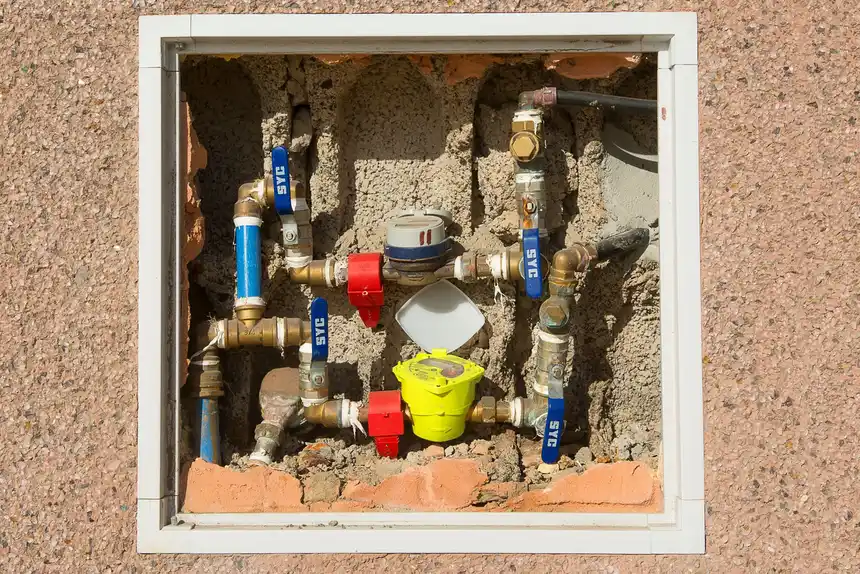
Larger mains carry more water and louder acoustic signatures. We use ground microphones and flow meters to pinpoint main leaks for commercial properties and multi-unit buildings across Whittier and Los Angeles County.
View serviceCall (562) 271-1350 and you will reach a Whittier-based leak specialist, not a call center. We answer 24/7 for emergency water leak detection and schedule same-day visits for most residential calls. Tell us what you are seeing, and we will tell you what it likely is and when we can be there.