Focused arrival windows
Useful updates and clear arrival timing.
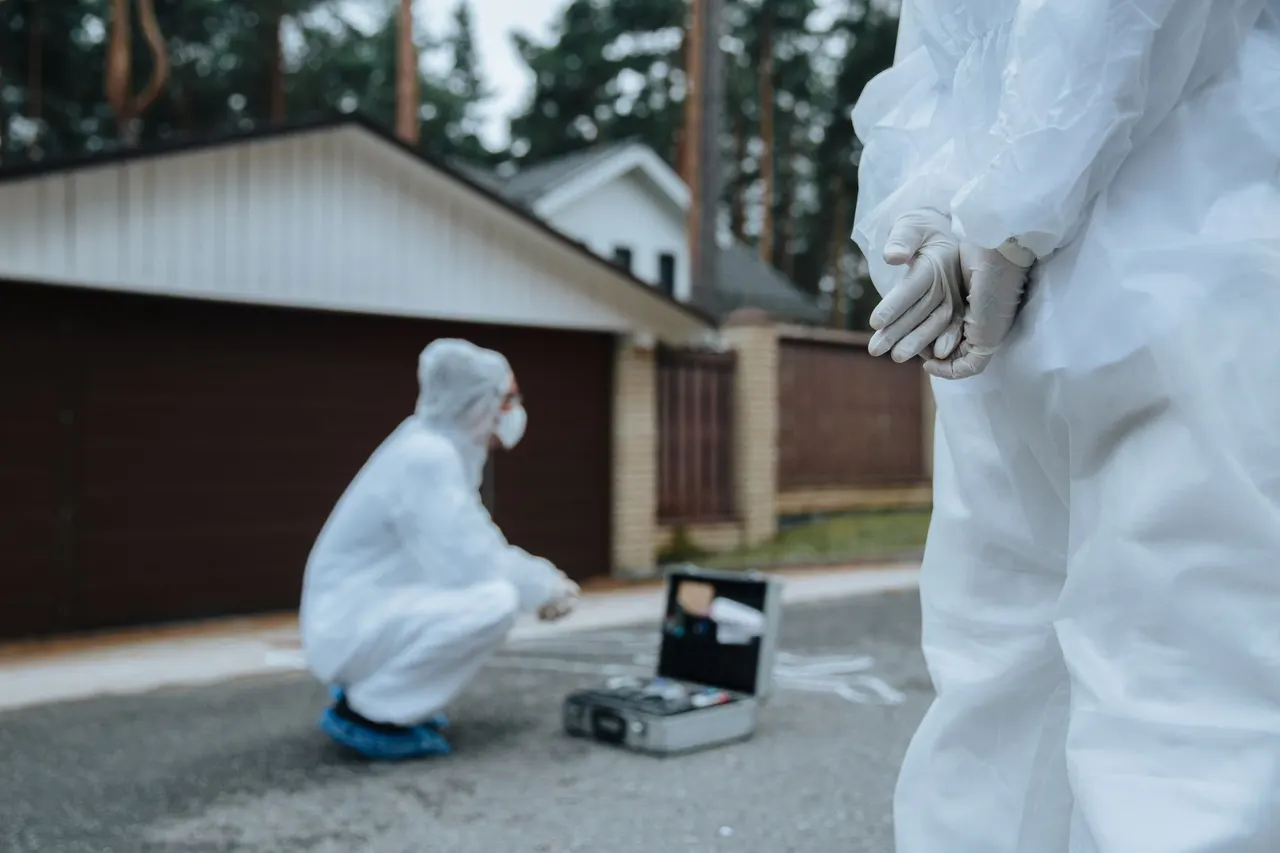
Water Leak Detection in La Habra Heights means finding the hidden leak before it wrecks your foundation, pool deck, or water bill. Our techs roll out with acoustic listening devices, thermal imaging cameras, and electromagnetic pipe locators to pinpoint slab leaks, water line leaks, and underground water leaks across Westridge, Friendly Hills, and Canyon View. We show up when we say we will, tell you what it costs before we start, and fix the line the same day whenever the job allows.
Useful updates and clear arrival timing.
Review the approach and price before deciding.
Equipped vehicles and respectful cleanup.
Neighbors serving neighbors with follow-through.
Whittier Water Leak Detection Pros is the crew La Habra Heights homeowners call when the meter keeps spinning and nobody can find where the water is going. Water Leak Detection in La Habra Heights is not the same job as it is down in the flat parts of Los Angeles County. This city sits on hilly terrain with older homes, rural residential zoning, and a lot of properties running on well water or septic systems. Higher elevation means water pressure swings that stress copper pipe and PVC pipe joints until they weep. We work Westridge, Friendly Hills, La Habra Heights Estates, and Canyon View every week, and we know how the soil moves up here after a wet winter. If you need water leak detection near La Habra Heights, our team uses Fluke thermal imaging cameras, Sewerin acoustic listening devices, and RIDGID video pipe inspection cameras to find the leak without tearing your house apart. We are licensed, insured, and bonded, and we carry the tools to handle slab leaks, water main leaks, and pool leaks on the same truck.
La Habra Heights properties deal with a specific mix of leak problems: slab leaks under older ranch homes, pool leaks in the hillside estates, and underground water leaks in the long service lines that run from the meter to the house. If you are searching for water leak detection in La Habra Heights CA near me, we are the local crew that carries acoustic listening devices, tracer gas detectors, and ground microphones on every truck. We handle residential and small commercial leak calls across the 90631 ZIP code.
Slab leaks are common in the older ranch homes around Friendly Hills and La Habra Heights Estates. We use acoustic listening devices and thermal imaging cameras to hear and see the leak under the slab before we break concrete. If you have a hot spot on the floor or a water bill that jumped, call us. We pinpoint the break, then repair the copper pipe or PEX tubing with minimal demolition.
View service →02Hillside properties in Westridge and Canyon View often have pools that lose water to underground plumbing or shell cracks. We use pressure gauges, flow meters, and leak detection dye to isolate the leak. If your pool drops more than an inch a day, that is not evaporation. We test the lines, the skimmer, and the shell, then tell you exactly what is leaking and what it takes to fix it.
View service →03The long water service lines that run from the meter to homes in La Habra Heights take a beating from soil movement and higher elevation water pressure issues. We use electromagnetic pipe locators and acoustic putty on the valve to trace the line and find the break. Whether it is copper pipe, PVC pipe, or CPVC pipe, we locate the leak and repair it without digging up your whole yard.
View service →04Properties on well water or private water mains in the rural residential zoning areas of La Habra Heights need a different approach. We use ultrasonic leak detectors and pressure gauges to find water main leaks that do not surface. If your pump is cycling more than usual or you hear water running when nothing is on, we can find the break in the main and get it repaired before it undermines a driveway or foundation.
View service →05Underground water leaks are the hardest to find because the water never comes up. In La Habra Heights, the hilly terrain and older pipe mean leaks can travel along a trench line before surfacing. We use tracer gas detectors, ground microphones, and video pipe inspection cameras to track the leak underground. We mark the spot, show you the evidence, and fix the line.
View service →06Acoustic leak detection is our first tool on most calls. We use Sewerin and Gutermann acoustic listening devices, plus ground microphones, to hear the sound of water escaping a pressurized line. This works on copper pipe, PEX tubing, and PVC pipe. In the quiet hillside neighborhoods of La Habra Heights, we can often hear a slab leak from the next room. It is fast, non-invasive, and accurate.
View service →07When acoustic tools are not enough, we break out the electronic gear. Fluke thermal imaging cameras show temperature differences from a hot water leak. Electromagnetic pipe locators trace the line. Moisture meters confirm what is wet and what is not. We use these tools together to find hidden water leaks in walls, under slabs, and behind pool decks across La Habra Heights.
View service →08Most La Habra Heights homeowners want the leak found without tearing up the house. That is what non-invasive leak detection is for. We use acoustic listening devices, thermal imaging cameras, and pressure gauges to locate the leak from the surface. No exploratory demolition, no guesswork. Once we know where the leak is, we can talk about the smallest repair that fixes it.
View service →09Water does not wait for business hours. If you have a burst pipe, a slab leak that is flooding a room, or a water main break at 2 a.m., we run emergency water leak detection in La Habra Heights California around the clock. We can shut down the line, find the break, and stop the damage. Call the emergency line and we will head your way.
View service →Finding a leak in La Habra Heights takes a different playbook than working in the flat grid of Whittier. The hilly terrain, rural residential zoning, and higher elevation water pressure issues mean we start by confirming the pressure at the meter and at the house. If the static pressure is over 80 psi, we know the line is stressed and the leak is likely at a fitting or a corroded section of copper pipe. We use acoustic listening devices on the valve and the meter to hear the leak, then thermal imaging cameras to confirm the hot spot. On properties with well water, we check the pump cycle and the pressure tank first. We schedule around the narrow canyon roads and long driveways so we are not blocking anyone in. Same-day water leak detection La Habra Heights CA is available most weekdays, and we run 24/7 for emergencies. We carry pipe clamps, pipe fittings, epoxy resin, and pipe sealant on the truck so we can often make the repair on the same visit.
Water from a broken line follows the slope and can surface hundreds of feet from the actual leak. That makes visual inspection useless and sends homeowners digging in the wrong spot. We use tracer gas detectors and ground microphones to follow the water path underground. We mark the leak location on the surface with paint before we dig, so you can see exactly where the break is.
Homes higher up the hill often see static pressure above 80 psi, which accelerates pipe corrosion and causes pinhole leaks in copper pipe and cracked fittings. We check pressure at the meter and at the house on every call. If the pressure is too high, we recommend a pressure-reducing valve. That one part can stop the next leak before it starts.
Well water can be more corrosive than city water, and septic systems mean we cannot use dye testing the same way. Leak detection has to be adapted to the property. We test water chemistry when well water is in play and use acoustic and electronic methods that do not rely on the sewer system. We also check the well pump and pressure tank for signs of a hidden leak.
Any plumbing repair in La Habra Heights must be done by a licensed C-36 contractor. We hold that license, which means the work is code-correct and insurable. Unlicensed leak repair can void your homeowner's insurance if the fix fails.
Water main and water line work often requires backflow testing after a repair. Our team holds IAPMO and backflow certifications, so we can test and certify the assembly without bringing in a second contractor.
Leak repair is water conservation. Our EPA WaterSense and AWWA training means we look for the most efficient fix, not the biggest job. That matters on properties with well water or high water bills.
La Habra Heights has a specific set of conditions that cause water leaks: hilly terrain, older homes, higher elevation water pressure issues, and a lot of properties on well water or septic. The soil here also moves with the seasons, which stresses buried pipe. These are the problems we see most often when we run water leak detection services La Habra Heights calls.
Many homes in Friendly Hills and La Habra Heights Estates were built with copper pipe under the slab. After decades of soil movement and thermal expansion, the pipe corrodes and pinhole leaks form. Higher elevation water pressure makes it worse. We use acoustic listening devices and thermal imaging cameras to locate the leak without breaking the slab. Once we find it, we repair the pipe with a new section and pipe fittings, then pressure-test the line before we close it up.
The hilly terrain in Westridge and Canyon View lets water from a broken line travel downhill along the trench line. The leak can run for weeks before anyone sees a wet spot, and by then it may have undermined a driveway or foundation. We use tracer gas detectors and ground microphones to follow the water underground. We mark the leak location on the surface before we dig, so we are not excavating half the yard looking for the break.
Pools on hillside lots in Westridge and Canyon View sit on soil that shifts. That movement cracks the pool shell and the underground plumbing. A pool that loses more than an inch of water a day has a leak, not evaporation. We pressure-test the pool plumbing and use leak detection dye to isolate the leak. If it is in the shell, we use epoxy resin to seal it. If it is in the line, we trace it with an electromagnetic pipe locator and repair the PVC pipe.
Properties on well water in the rural residential zoning areas have private water mains that are not maintained by the city. Well water can be more corrosive, and the lines are often older. A leak in the main makes the pump run constantly, which burns electricity and wears out the pump. We check the pump cycle and pressure tank first, then use ultrasonic leak detectors and pressure gauges to find the break on the main. We repair the line with new pipe and pipe sealant, then test the pressure to confirm the system holds.
La Habra Heights does not have a grid street system, so we navigate by landmarks. La Habra Heights Park is a central reference point for the west side of town. Hacienda Golf Club helps us orient the Friendly Hills area. Whittier Christian High School and La Habra Heights City Hall are easy markers for the central and eastern parts of the city. Knowing these landmarks keeps us from wasting time on the narrow canyon roads. When you call, we can usually tell you how long it will take based on which landmark you are near.
This park sits near the center of the city and serves as a reference point for streets on the west side. When a customer says they are near the park, we know which canyon roads to take and how to approach the property.
The golf club is a major landmark in the Friendly Hills area. It helps us orient the surrounding residential streets and plan the fastest route to homes on the eastern side of La Habra Heights.
The school is a clear marker on the western side of the city. It helps us locate nearby residential streets and plan around school traffic when we schedule morning appointments.
City Hall is a central reference point for the civic area. It helps us navigate to nearby streets and is a useful landmark when giving customers an ETA over the phone.
Hacienda Boulevard is the main commercial route through the area, with a mix of small businesses and services. It is the primary road we use to reach La Habra Heights from Whittier.
Hacienda Boulevard is the main north-south route into La Habra Heights from Whittier and is our primary access road for most service calls.
Harbor Boulevard provides access to the eastern side of La Habra Heights and connects to the surrounding Los Angeles County communities.
La Habra Heights is a small city, but the leak problems change from one neighborhood to the next. The older homes in Friendly Hills have different pipe than the hillside estates in Westridge. We run regular routes through all four main areas, so we know the streets and the building stock. Here is what we see in each.
Westridge has some of the larger hillside properties in La Habra Heights, many with pools and long water service lines. The elevation change means water pressure issues are common, and pool leaks are a frequent call. We see a lot of PVC pipe and copper pipe failures at the fittings. We reach Westridge in about 20 minutes from our Whittier shop via Hacienda Boulevard.
Friendly Hills is known for older ranch homes on generous lots. Much of the original copper pipe is still in the ground, and slab leaks are common. The soil here expands and contracts with the seasons, which puts stress on the slab and the lines running under it. Friendly Hills is a short drive up Whittier Boulevard, usually 15 to 20 minutes.
La Habra Heights Estates has a mix of custom homes and rural residential zoning. Many properties here are on well water or septic, so leak detection has to account for private water systems. Water main leaks and well pump issues are regular calls. We can be in La Habra Heights Estates in 20 to 25 minutes depending on traffic on Harbor Boulevard.
Canyon View sits on some of the steeper terrain in the city. Underground water leaks here can travel a long way before surfacing, and driveway and foundation damage from hidden leaks is a real risk. We use tracer gas and ground microphones to find the leak before it does structural damage. Canyon View is about 25 minutes from our shop, and we schedule it on our regular La Habra Heights route.
These are real jobs we have run in La Habra Heights. They show what we look for, how we find the leak, and what the fix looks like. Every property is different, but the process is the same: locate the leak, confirm it, repair it, and test it before we leave.
A homeowner in Friendly Hills noticed a warm spot on the kitchen floor and a water bill that jumped by $180 in one month. The slab was dry on the surface, but the meter kept spinning. We used a Fluke thermal imaging camera to confirm the hot spot and a Sewerin acoustic listening device to hear the leak under the slab. The break was in a copper pipe about 14 inches below the surface. We cut a small access hole, repaired the pipe with a new section and pipe fittings, and pressure-tested the line. The leak was fixed in one day. The water bill dropped back to normal the next cycle, and the homeowner avoided a full slab replacement.
A property in Westridge with a pool was losing about two inches of water a day. The homeowner thought it was evaporation, but the pool had not been refilled in weeks. We pressure-tested the pool plumbing and used leak detection dye in the skimmer and return lines. The leak was in an underground return line about 20 feet from the pool. We used an electromagnetic pipe locator to trace the line, then excavated and repaired the PVC pipe. The pool stopped losing water immediately. The repair cost a fraction of what the homeowner expected to pay for a new pool deck.
A home in La Habra Heights Estates on well water had a pump that was cycling every few minutes. The pressure tank was fine, but the pump was running constantly, which pointed to a water main leak. We used ultrasonic leak detectors and pressure gauges to isolate the leak on the private water main. The break was at a corroded fitting about 30 feet from the wellhead. We repaired the line with new pipe and pipe sealant, then tested the pressure. The pump stopped short-cycling, and the homeowner avoided burning out the well pump. The repair paid for itself in a few months of lower electricity use.
We had a slab leak in our Friendly Hills home and two other companies wanted to jackhammer the whole floor. Whittier Water Leak Detection Pros used a thermal camera and found the leak in about 20 minutes. They cut one small hole, fixed the copper pipe, and were done by the afternoon. The water bill is back to normal and you cannot even tell they were here.
Our pool in Westridge was losing water and we could not figure out why. The tech pressure-tested the lines and found a broken return line underground. He showed us the dye test and explained everything before he started digging. The repair was clean and the pool has held water ever since. Fair price and no upsell.
Called on a Saturday morning with water coming up through the driveway. They had a tech out by early afternoon. He found a water main leak with an acoustic device and had it repaired the same day. It was not cheap, but it was emergency work and they were straight with me about the cost before they started. I would call them again.
La Habra Heights has a mild climate, but the seasons still change how and when leaks show up. The soil expands in winter and dries out in summer, which moves buried pipe. Pool leaks are worse in summer. Slab leaks can show up anytime. Here is what we see through the year and what you should do about it.
Spring is when the soil is still wet from winter rain. That moisture can mask an underground water leak because the ground is already saturated. Slab leaks and water line leaks that started in winter often become visible now as the soil dries.
Summer is pool season, and it is when pool leaks become obvious. A pool that needs refilling every few days has a leak. The dry soil also shrinks, which can pull on buried water lines and cause new breaks at fittings.
Fall is when we see a spike in slab leak calls. The soil is drying out and contracting, which stresses the pipe under the slab. Warm spots on the floor and unexplained water bill increases are common this time of year.
Winter rain saturates the ground and can cause the soil to expand. That movement breaks water lines and water mains, especially older copper pipe. We also see more emergency calls for burst pipes when we get a rare cold snap.
La Habra Heights sits in the hills above Whittier, and we serve the surrounding communities as part of our regular routes. If you are in one of these nearby cities, we can usually get to you the same day. Our trucks run through this whole region, so we are never far away.
La Mirada is just west of La Habra Heights, about 15 minutes down the hill. Many of our La Habra Heights customers have family or rental property in La Mirada.
Local coverage and details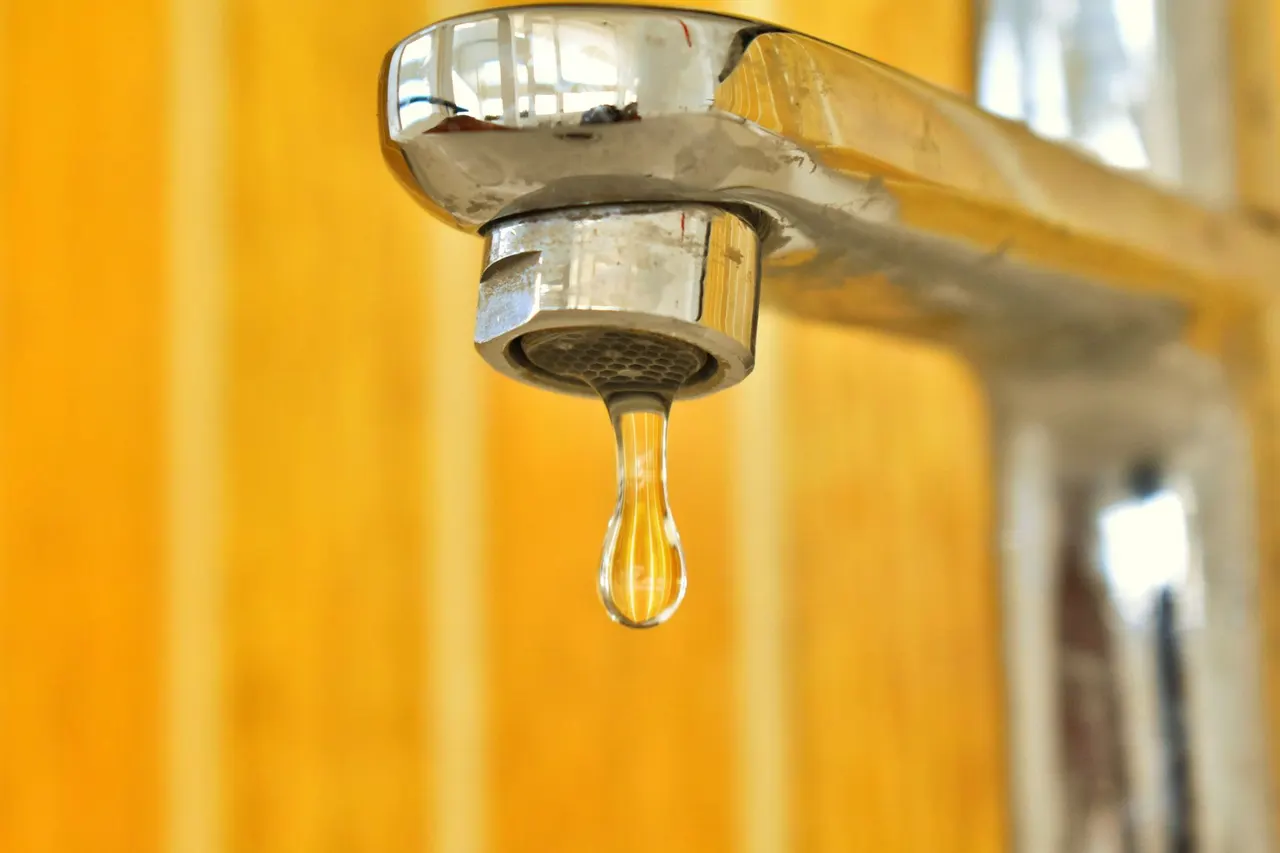
Santa Fe Springs is southwest of La Habra Heights, about 20 minutes away. We serve both residential and light commercial leak calls there.
Local coverage and details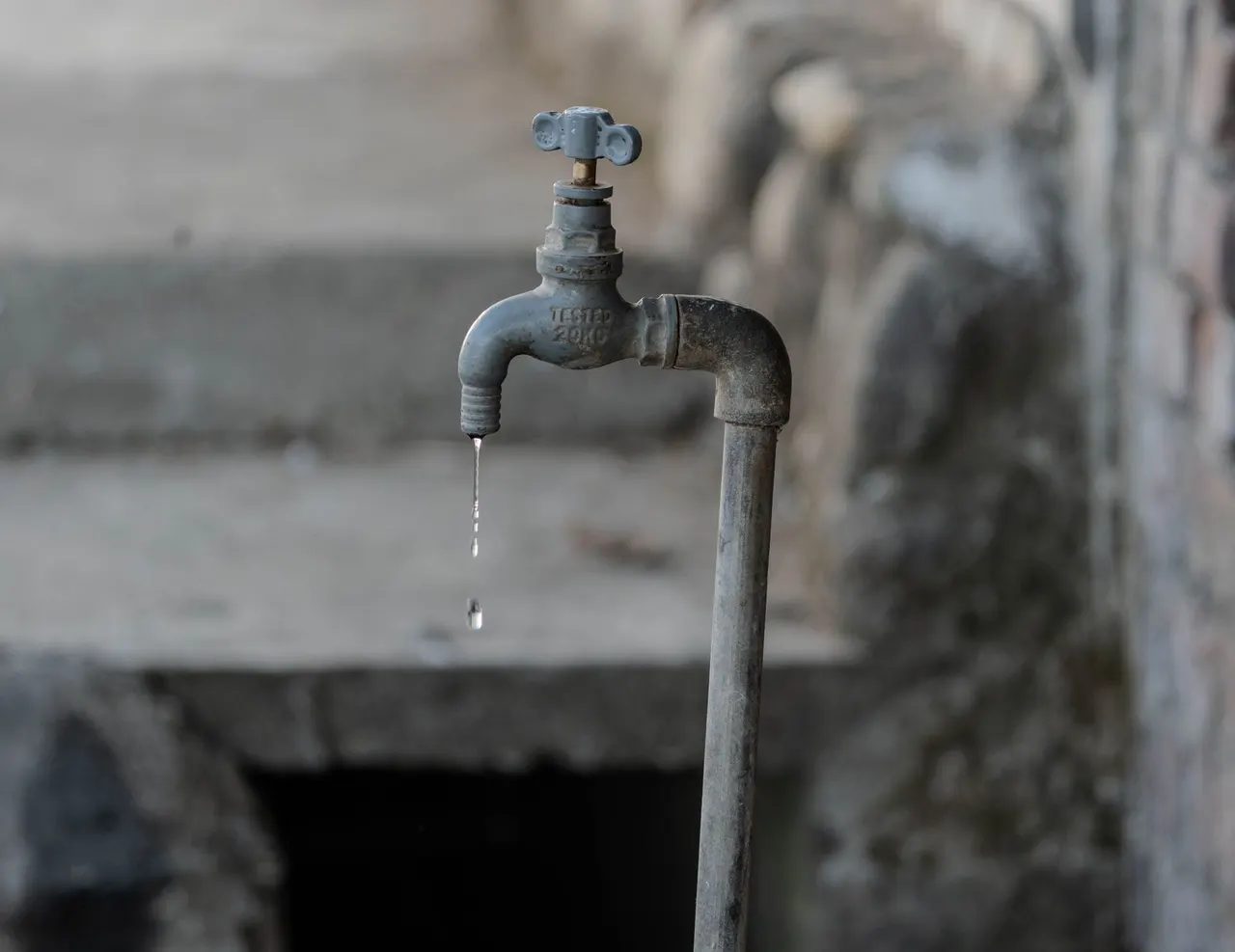
Pico Rivera is about 25 minutes from La Habra Heights. We cover slab leaks and water line leaks for the older housing stock in that area.
Local coverage and details
Montebello is roughly 30 minutes from La Habra Heights. We handle emergency leak calls there when a pipe bursts or a slab leak floods a room.
Local coverage and detailsNot every plumber who says they do leak detection actually has the tools for it. Some will show up with a flashlight and a guess. Before you hire anyone for water leak detection in La Habra Heights, ask these questions. The answers will tell you whether you are getting a real leak detection tech or a sales call.
A real leak detection company carries acoustic listening devices, thermal imaging cameras, and pressure gauges. If they say they will find it by digging, they are guessing. You want someone who can locate the leak before they open anything up.
Most reputable companies credit the detection fee toward the repair. If they charge full price for detection and then full price for the repair, you are paying twice. Ask upfront so there are no surprises on the invoice.
Leak repair is plumbing work, and in California it requires a C-36 Plumbing license. If they are not licensed, your homeowner's insurance may not cover the work if something goes wrong. Ask for the license number and verify it.
A good leak detection tech will show you the thermal image, play you the acoustic recording, or show you the pressure test results. You should see the proof before anyone breaks concrete or digs a trench in your yard.
A leak repair should come with a warranty. If the same spot leaks again in a few months, you want the company to come back and fix it without charging you again. Ask how long the warranty is and what it covers.
International Association of Plumbing and Mechanical Officials
California Department of Public Health approved program
U.S. Environmental Protection Agency
American Water Works Association
$2M general liability
member
member
Most water leak detection calls in La Habra Heights run $180 to $450 in 2026, depending on the methods needed and how hard the leak is to reach. A simple acoustic listen on an exposed line is on the low end. A slab leak that needs thermal imaging and pressure testing is on the high end. We credit the detection fee toward the repair if you hire us for the fix.
The best company is the one that carries the right tools and knows the local terrain. We use Fluke thermal imaging cameras, Sewerin acoustic listening devices, and RIDGID video pipe inspection cameras on every truck. We are licensed, insured, and we work La Habra Heights every week. Ask any company what tools they use before you hire them.
Yes. We run emergency water leak detection in La Habra Heights California 24 hours a day, seven days a week, including holidays. If you have a burst pipe or an active leak flooding your home, call (562) 271-1350 and we will dispatch the closest tech. We do not charge extra for nights or weekends on emergency calls.
The top signs are a water bill that jumped with no change in use, a warm spot on the floor, a meter that spins when all fixtures are off, a soggy patch in the yard that never dries, and the sound of running water when nothing is on. In La Habra Heights, the hilly terrain means underground leaks can travel far before surfacing.
Ask what tools they use, whether they credit the detection fee toward the repair, and whether they are licensed and insured in California. A real leak detection company will show you the evidence before they dig. Avoid anyone who wants to start breaking concrete without locating the leak first.
Not seeing your question? Our local team can help you understand urgency, scheduling and what to expect.
Ask the local team
Call (562) 271-1350 and you will reach a Whittier-based leak specialist, not a call center. We answer 24/7 for emergency water leak detection and schedule same-day visits for most residential calls. Tell us what you are seeing, and we will tell you what it likely is and when we can be there.