Focused arrival windows
Useful updates and clear arrival timing.

Water Main Leak Detection Whittier CA pinpoints hidden main line breaks before they wreck your yard, driveway, or foundation. We use acoustic listening devices and thermal imaging cameras to locate the exact failure point, then handle water main leak repair in Whittier CA the same day. If your water bill spiked and your meter keeps spinning, call (562) 271-1350.
Useful updates and clear arrival timing.
Review the approach and price before deciding.
Equipped vehicles and respectful cleanup.
Neighbors serving neighbors with follow-through.
Every detection call includes the full diagnostic package. Repair pricing is quoted separately once we know the pipe material, depth, and access requirements. You approve the repair price before we dig.
We isolate the main line and pressurize it with calibrated gauges. A confirmed pressure drop tells us the leak is on the main, not inside the house. This step rules out false alarms from irrigation or pool systems.
We walk the entire line with Sewerin listening devices and a thermal imaging camera. The combination catches both audible leaks and temperature anomalies from saturated soil. You get a marked location within 12 inches.
You receive a one-page report with the leak location, pipe material, depth, and photos. This is the document your insurance adjuster needs if you file a claim. We email it the same day.
Once we know the scope, we give you a flat repair price. It covers excavation, the new pipe section, fittings, and surface restoration. No hourly billing and no surprise add-ons after the fact.
After the repair, we repressurize the line and monitor it for 30 minutes. You see the gauge hold steady before we backfill. We also recheck the meter to confirm zero flow with fixtures off.
Share what is happening and receive a clear next step from the local team.
Water Main Leak Detection Whittier CA is the process of finding the exact break point on the pressurized pipe running from your meter to your home. We pressurize the line, then sweep it with acoustic listening devices and ground microphones to hear the water escaping. Thermal imaging cameras confirm temperature differences where saturated soil sits. Once located, we mark the spot, expose the pipe, and complete water main leak repair Whittier CA with code-correct fittings and materials.
Whittier's older housing stock, especially around Uptown and the 90601 and 90603 ZIP codes, still runs copper and galvanized mains that corrode from the inside out. Root intrusion from mature ficus and sycamore trees is another common culprit. If you have been searching for water main leak detection near me Whittier, we can usually confirm the leak source in under two hours and give you a flat repair price before we dig.
Call (562) 271-1350 and describe what you are seeing: high bill, wet spot, spinning meter, or low pressure. We ask a few questions to rule out irrigation and pool leaks, then schedule a two-hour detection window. If it is an emergency, we dispatch 24/7.
We isolate the main line from the house and pressurize it with a hand pump and pressure gauges. A drop in PSI confirms the leak is on the main, not inside the walls. This step takes about 20 minutes and costs nothing extra.
Using Sewerin and Gutermann acoustic listening devices, we walk the line and listen for the hiss of escaping water. Ground microphones narrow the location to within 12 inches. We mark the spot with paint and flagging so you can see exactly where the break is.
Thermal imaging cameras and moisture meters confirm the reading. We then dig a small access hole by hand or with a trencher, exposing the pipe. Most access holes are 24 by 24 inches. You see the damaged section before we cut anything.
We cut out the failed section and install new copper or PEX tubing with code-correct fittings and clamps. The line is repressurized and monitored for 30 minutes. We backfill, compact the soil, and leave the site clean. You get a written warranty on parts and labor.
Amplifies the sound of escaping water so we can hear the leak through soil and concrete. Effective on copper, PEX, and galvanized mains.
Picks up leak frequency at the surface and narrows the location to within 12 inches. We use it to mark the exact dig spot.
Detects temperature differences caused by saturated soil above a leaking main line. Confirms the acoustic reading before we dig.
Measures PSI drop and flow loss during the isolation test. Tells us whether the leak is on the main or inside the house.
Traces the path of the main line underground so we sweep the correct route. Prevents wasted time searching the wrong area.
Scopes the line when we need visual confirmation of root intrusion or pipe collapse. Used on both water and sewer lines.
We close the main valve at the meter and pressurize the customer-side line with a hand pump. A pressure drop over 15 minutes confirms a leak on the main. This method eliminates false positives from irrigation, pools, and interior fixtures.
Two sensors placed on the pipe pick up the leak sound at slightly different times. The correlator calculates the exact distance to the break. We use this on long runs where a single microphone is not precise enough.
For hard-to-hear leaks, we inject a safe tracer gas into the line and scan the surface with a detector. The gas escapes at the break point and registers on the meter. This works well on plastic pipe and deep mains.
We walk the line with a thermal camera and log surface temperatures. Saturated soil holds heat differently than dry soil, creating a visible pattern. The map guides the acoustic sweep and confirms the leak zone.
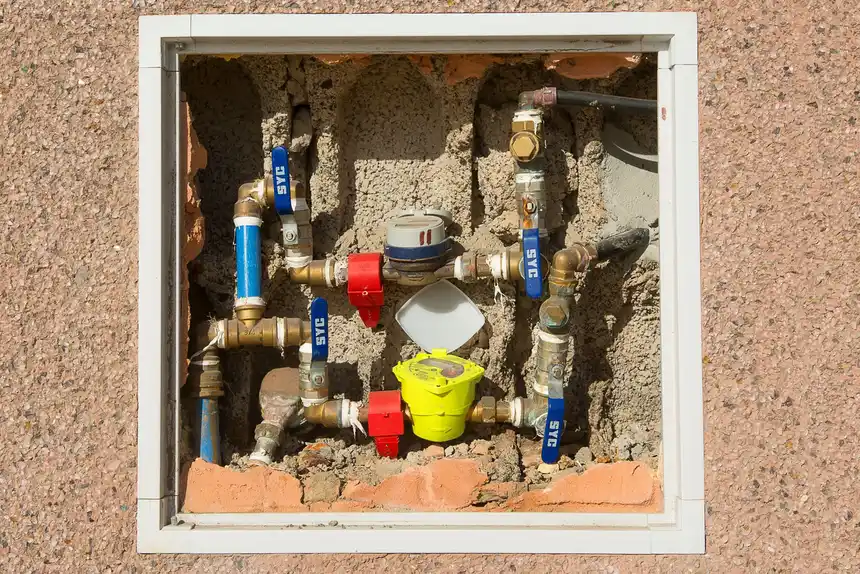
We run a full pressure test and acoustic sweep to find the loss. If the leak is on the main line, we mark it and quote the repair. If it is irrigation or a pool, we tell you and save you the repair cost. You know exactly where the water is going and what it costs to fix it, usually within two hours of our arrival.
Thermal imaging and ground microphones confirm whether the moisture is from a main line break or a sewer leak. We scope the line if needed and repair the correct pipe. The wet spot dries out after repair, and your driveway or lawn is restored with minimal disruption.
This combination points to a main line break. We isolate the line, locate the break acoustically, and complete the repair the same day with code-correct materials. Pressure returns to normal, the meter stops spinning, and you avoid a foundation repair bill.
We provide a documented detection report with photos, meter readings, and a repair quote. If a repair is needed, we complete it and provide the warranty paperwork for closing. You satisfy the buyer's request, close on time, and have written proof the main line is sound.
Whittier sits on a mix of older housing stock and post-war tract homes. Much of the original copper and galvanized main line pipe is now 50 to 70 years old and corroding from the inside. The mature trees that make neighborhoods like Uptown and the 90601 area attractive also drive roots into main lines, especially where the pipe runs shallow. Summer heat bakes the soil and accelerates corrosion, while winter rains saturate the ground and expose leaks that were invisible in dry months. Los Angeles County requires repairs to meet current plumbing code, and we pull permits when the scope demands it. If you are searching for how to find a water main leak underground in Whittier CA, the answer is acoustic and thermal detection first, then a targeted repair. We handle both, and we know which streets have the oldest pipe.
Historic district with many pre-1950 homes on original copper mains. Root intrusion from mature street trees is common along Greenleaf and Philadelphia.
Post-war tract housing with galvanized pipe that is now reaching the end of its service life. Pinhole leaks and joint failures are frequent.
Mix of older rentals and single-family homes. High water use from multi-unit properties makes hidden main line leaks costly fast.
Hillside properties with longer main line runs and more elevation change. Pressure swings make leak detection more complex.
Shifting soil stresses pipe joints and causes failures at fittings. We inspect joint areas first when the leak is near a connection.
Roots seek moisture and crack main lines. We use video inspection when root intrusion is suspected and repair with root-resistant materials.
Dry soil shrinks and pulls away from pipe, exposing it to stress. Leaks that were dormant in spring often surface in July and August.
Wet soil hides leak signatures and makes acoustic detection harder. We rely more on tracer gas and thermal imaging during rainy months.
A homeowner on a 1948 lot noticed a $210 jump in the water bill. The meter spun with all fixtures off, but the yard looked dry. Two other companies recommended replacing the entire main line at a cost of $4,800.
We pressure-tested the line and located a single pinhole leak under the front walkway in 90 minutes. The repair required one 24-inch access hole and a 14-inch section of new copper. Total cost was $1,150, and the water bill returned to normal the next cycle.
Maintenance: We recommended an annual meter check and a pressure test every three years. The rest of the main line tested sound and does not need replacement.
A duplex owner in the 90603 ZIP code had water pooling near the driveway after every irrigation cycle. The tenant reported low pressure in the back unit. A previous plumber had replaced the irrigation valve with no improvement.
Thermal imaging showed a saturation pattern 6 feet from the meter. Acoustic detection confirmed a root-driven crack in the copper main. We removed the root section, installed new copper with a protective sleeve, and restored the driveway patch. Water pressure returned to 62 PSI.
Maintenance: We set up a root barrier and suggested the owner monitor the meter monthly. No recurrence in the two years since the repair.
A family in Friendly Hills called at 6 a.m. on a Saturday after water started bubbling up through the lawn. The main line had failed at a joint, and the yard was flooding toward the foundation. They had guests arriving that afternoon.
We dispatched a crew within 50 minutes, isolated the line, and had the break exposed by 8 a.m. The failed joint was replaced with a new fitting and a 12-inch section of PEX. We repressurized and tested by 11 a.m. The family hosted their holiday dinner as planned.
Maintenance: We advised a pressure test every two years given the age of the remaining pipe. The homeowner also installed a smart meter alert that flags continuous flow.
Most main line failures fall into a handful of categories. Here is what we see most often and how we handle it.
You are paying for water that never reaches a fixture. A hidden main line leak can waste 10,000 gallons a month and push your bill up by $150 or more. We pressure-test the main and sweep it with acoustic equipment to find the loss point. Most hidden leaks are located within two hours, and we repair them the same day with copper or PEX.
Saturated soil shifts footings and cracks slabs. Left alone, a main line leak under a lawn can cause $6,000 or more in foundation damage. Thermal imaging and moisture meters map the saturation pattern and confirm the leak location. We expose the pipe, replace the failed section, and restore the soil so the yard drains normally again.
A main line leak relieves pressure before water reaches your fixtures. You notice weak showers, slow washing machine fills, and longer run times on the water heater. We test the main line separately from the interior plumbing. If the pressure drop is on the main, we locate and repair the break. Most customers see normal pressure restored the same day.
This is the clearest sign of a main line leak. Every rotation is water leaving the system underground, and the loss accelerates as the break widens. We isolate the main, confirm the leak with a pressure test, and pinpoint it acoustically. You get a marked spot and a flat repair quote before we dig. Same-day service is standard.
Our technicians hold California Contractor License (C-36 Plumbing) credentials and carry IAPMO and Backflow Prevention Assembly Tester certifications. We train on Fluke and RIDGID diagnostic platforms and follow AWWA guidance for main line testing. Because we work Whittier streets daily, we know which neighborhoods have old copper mains, where root intrusion is worst, and how Los Angeles County inspectors want repairs documented. We have located and repaired hundreds of main line leaks across the 90601, 90602, 90603, 90605, and 90606 ZIP codes.
Our water bill doubled in two months and we could not find the leak. The crew came out, pressure-tested the main, and had the spot marked in about 90 minutes. They dug one small hole in the lawn, replaced a corroded section of copper, and we have had no issues since. Worth every penny.
I manage a duplex near Whittier College and the tenant reported water pooling by the driveway. These guys used thermal cameras and a ground microphone to find a root intrusion on the main line. Repaired it the same afternoon and documented everything for my insurance claim. Professional and fast.
Called at 7 a.m. after noticing the meter spinning with everything off. They arrived by 8:30, confirmed the leak with acoustic equipment, and finished the repair before lunch. The price matched the quote exactly. I have already recommended them to two neighbors.
Detection runs $250 to $450 for a standard residential main line in 2026. That covers the pressure test, acoustic sweep, thermal imaging, and marking the leak. If you approve the repair, we credit the detection fee toward the total. Emergency after-hours detection adds $100 to $150.
We do. Our licensed C-36 plumbing crew handles both detection and repair, so you are not bouncing between two contractors. We carry copper, PEX, and PVC pipe on every truck and complete most repairs the same day. Call (562) 271-1350 and we will schedule a two-hour window.
The most common signs are a water bill that jumps 20 percent or more, a meter that spins with all fixtures off, soggy patches in the yard, and low water pressure inside the house. In older Whittier neighborhoods, you may also hear water running when nothing is on.
Not for a pressurized main line. Detection is non-invasive, but the repair requires exposing the pipe to install a new section. We keep the access hole small, usually 24 by 24 inches, and restore the surface when we finish. Trenchless options exist for sewer lines, not water mains.
Not seeing your question? Our local team can help you understand urgency, scheduling and what to expect.
Ask the local team
When a main line leak migrates under your foundation, it can present as a slab leak. We use the same acoustic and thermal tools to determine whether the source is the main line or a pipe under the slab, so you get the right repair.
View service
Pool leaks and main line leaks both spike your water bill. We pressure-test the pool plumbing separately from the main line to isolate the loss. Whittier homeowners with pools in the 90603 area often need both checks run together.
View service
The water line from the meter to the house is the same pipe we test during main line detection. If the leak is on the customer side of the meter, we handle it as a water line repair with the same acoustic equipment and same-day scheduling.
View service
Underground leaks hide beneath driveways, patios, and lawns. Our ground microphones and tracer gas detectors find them without tearing up hardscape. This is the core method we use for every main line call in Whittier.
View serviceCall (562) 271-1350 and you will reach a Whittier-based leak specialist, not a call center. We answer 24/7 for emergency water leak detection and schedule same-day visits for most residential calls. Tell us what you are seeing, and we will tell you what it likely is and when we can be there.