Focused arrival windows
Useful updates and clear arrival timing.
Pool Leak Detection Whittier CA starts with a simple question: is your pool losing water, or is it just evaporation? We answer that with acoustic listening devices, pressure testing, and dye testing, then handle the pool leak repair Whittier CA homeowners need. If your water bill jumped or your deck stays wet, call (562) 271-1350 and we will find it.
Useful updates and clear arrival timing.
Review the approach and price before deciding.
Equipped vehicles and respectful cleanup.
Neighbors serving neighbors with follow-through.
Every detection visit covers the full diagnostic, not just a look at the equipment pad. If the leak needs a repair beyond a simple fitting, we quote that separately and credit the detection fee when you book the work with us.
We plug and pressurize each pool line separately with a pressure gauge and flow meter. A line that will not hold pressure has a break, and this test tells us which run to trace before we touch the deck.
Leak detection dye at the light niche, tile line, skimmer throat, and main drain confirms shell leaks that pressure testing cannot catch. It takes about 15 minutes and pinpoints cracks you cannot see with the eye.
Acoustic listening devices and ground microphones trace the failed line under the deck and soil. We mark the break on the surface so you see the target before any concrete is cut.
We inspect the pump, filter, heater, and valves for drips and air leaks. A failing pump seal or valve can mimic a pool leak, and we rule those out before quoting a line repair.
You get a written summary of what failed, where it is, and what the repair involves. It is the same document we use to build the repair quote, so there is no gap between the diagnosis and the price.
Share what is happening and receive a clear next step from the local team.
Pool Leak Detection Whittier CA is a diagnostic service that pinpoints where a swimming pool is losing water, using pressure testing, dye testing, and acoustic listening devices to separate a real leak from normal evaporation. We test the shell, the plumbing lines, the skimmer, the light niche, and the equipment pad. A pool that drops more than two inches in a week, with no rain and no splash-out, has a leak. We find it before we cut anything.
Whittier pools sit on everything from older gunite shells near Uptown to newer plaster in the 90603 and 90606 ZIP codes, and each one fails differently. A cracked light niche, a failed skimmer throat, or a hairline shell crack can waste thousands of gallons a month. If you have been searching pool leak detection Whittier CA near me, we run the full diagnostic and give you a straight answer the same day.
You call (562) 271-1350 and describe the symptoms: how many inches per day, whether the pump loses prime, whether the deck stays wet. We ask about your pool type and equipment. That five-minute call tells us whether to bring dye test gear, acoustic equipment, or both.
A technician arrives with acoustic listening devices, a pressure gauge, and dye. We mark the water level, check the skimmer and light niche, and inspect the equipment pad for drips. This walkthrough takes about 20 minutes and usually narrows the leak to one of three zones.
We plug the return lines and skimmer line, then pressurize each run separately. A line that will not hold pressure has a break. Dye testing confirms shell leaks at the light niche, tile line, or skimmer throat. This step takes 45 to 90 minutes depending on how many lines your pool has.
Once we know which line fails, we use electromagnetic pipe locators and ground microphones to trace it and mark the break on the deck with paint. You see exactly where the problem is before anyone cuts concrete. That mark is where the repair happens.
We expose the line, cut out the failed section, and rebuild it with PVC pipe, fittings, and pipe clamps. Then we re-pressurize the line and hold it to confirm the fix. You get a final water-level check and a walkthrough before we leave.
Pick up the hiss of pressurized water escaping a pool line through concrete and soil. It narrows the leak to a few feet before we cut.
Isolate each pool line and measure whether it holds pressure. A line that bleeds pressure has a break, and the gauge tells us how bad it is.
Show temperature differences on the deck and soil that reveal where water is traveling underground, even when the surface looks dry.
Trace the path of buried pool plumbing so we know exactly where the line runs before we mark the break and cut concrete.
Confirm the leak location from the surface by amplifying the sound of escaping water through soil and slab.
Check sewer and drain lines when a wet spot does not match the pool test results, so we rule out a second source.
We plug each pool line, pressurize it with a Fluke or RIDGID gauge, and watch for bleed-off. This separates a plumbing leak from a shell leak in about 45 minutes and tells us which run to trace.
Leak detection dye is released at the light niche, tile line, skimmer throat, and main drain. If dye gets pulled into a crack, we have found a shell leak that pressure testing would miss.
We set a bucket of pool water on the step and compare its loss to the pool's over 24 hours. If they match, evaporation is the cause and you do not need a repair. If the pool drops faster, it is a leak.
Two sensors placed along the line let us compare the sound timing and calculate the leak point to within a foot. That precision keeps the concrete cut small and the repair fast.
We run a pressure test on the return and skimmer lines and dye test the shell, since a winter drop often points to a freeze crack or a failed fitting. The test takes about an hour and pinpoints the line before we cut. You get the break marked and repaired before swim season, so the pool holds water and chemistry from the first day you open it.
We use moisture meters and thermal imaging cameras to check for water under the deck, then trace the pool lines with acoustic gear. If the pool tests clean, we check the sewer and water main next. You find out whether the deck damage is a pool leak or a different line, and the repair targets the real source instead of the symptom.
We run a full pool leak detection with pressure testing, dye, and an equipment pad inspection, then send a written report you can use in the negotiation. The visit takes about two hours. You know the pool's condition before you sign, and any repair cost becomes part of the deal instead of a surprise in month two.
Whittier pools deal with hot, dry summers and mild, wet winters, and that swing drives most of the leaks we find. The clay-heavy soil in parts of Los Angeles County expands and contracts with the seasons, which shifts pool shells and stresses plumbing joints over time. Older gunite pools in Uptown and around the 90601 and 90602 ZIP codes often fail at the skimmer throat or light niche, while newer builds near Friendly Hills tend to leak at equipment pad fittings and return lines. We test for both on every visit. If you have been searching how to find a pool leak underground in Whittier CA, the answer is pressure testing first, then acoustic tracing, then a targeted cut. We pull permits when the repair requires them under California plumbing code, and we build every line repair with PVC pipe, CPVC fittings, and pipe clamps rated for buried service.
Older gunite pools with original skimmer throats and light niches. These are the most common shell-leak calls we get in the 90601 and 90602 ZIP codes.
Newer pools with longer plumbing runs and more equipment pad fittings. Leaks here usually show up at valves, pump seals, and return line joints.
Mix of 1960s and 1970s pools on clay soil. Seasonal soil movement stresses buried lines, so we pressure test every run before cutting.
Smaller lots with pools close to the house and sewer lines. We camera the sewer when a wet spot does not match the pool test results.
Soil movement shifts pool shells and stresses buried plumbing joints. We see more return line breaks here than in sandy-soil areas, so pressure testing every line matters.
Evaporation can hide a real leak. We run a bucket test on every job so you are not paying for a repair you do not need, and we do not miss a leak that looks like evaporation.
Original skimmer throats, light niches, and gate valves fail first. We inspect those parts on every visit and quote the repair before the failure gets worse.
A 1970s gunite pool in Uptown Whittier was dropping two inches a day and the homeowner was adding water every morning. The water bill had climbed $180 over two months and the deck stayed wet near the skimmer.
We pressure tested the lines, found a failed skimmer throat, and repaired it with epoxy resin and a new fitting. The pool now holds water within a quarter inch a week, and the water bill dropped back to normal the next cycle.
Maintenance: Check the skimmer throat and tile line each spring, and keep the water level at the middle of the skimmer mouth. A five-minute visual check catches most shell leaks early.
A newer pool in Friendly Hills was losing water and the pump lost prime every morning. Two other companies told the owner it was normal evaporation, but the water bill said otherwise.
Acoustic tracing found a return line break under the deck. We cut one small section, rebuilt the line with PVC pipe and pipe clamps, and re-pressurized it to confirm the fix. The pump now holds prime and the water level is stable.
Maintenance: Keep the equipment pad dry and check valve fittings each month. A drip at a valve is cheap to fix and often the first sign of a bigger line problem.
An East Whittier pool had a hairline crack at the tile line that was pulling dye and losing about an inch a day. The homeowner had already replaced two gallons of chlorine a week trying to keep the water clear.
We dye tested the shell, confirmed the crack, and sealed it with epoxy resin rated for submerged service. Water loss stopped within 48 hours, and the chlorine demand dropped back to normal within a week.
Maintenance: Brush the tile line weekly and keep the calcium hardness in range. Proper water balance slows shell crack formation and protects the repair.
Most pool leaks fall into a handful of categories. Here is what we see most often and what happens if you leave it alone.
At that rate you are losing roughly 1,000 gallons a week, plus the chlorine and stabilizer in it. The water bill climbs, the chemistry swings, and the soil under the deck starts to wash out. We pressure test every line and dye test the shell to find the source. Once located, we repair the failed pipe or fitting with PVC and pipe clamps, then re-pressurize the line to confirm the fix holds before we leave.
A permanent wet spot usually means water is escaping under the deck. Left alone, it erodes the base, shifts the concrete, and can crack the pool shell within a season. We use moisture meters and thermal imaging cameras to map the wet zone, then trace the line with acoustic gear. The repair targets the break, not the whole deck, so the concrete cut stays small and the base gets backfilled properly.
A pump pulling air is usually sucking through a leak on the suction side. Running it dry overheats the motor and shortens pump life, which turns a $400 repair into a $1,200 replacement. We isolate the skimmer and suction lines with pressure testing to find the air leak. Once located, we repair the line or fitting and verify the pump holds prime through a full cycle before we call the job done.
A hidden pool leak can add hundreds of dollars a month to your bill and you will not see it on the deck. The longer it runs, the more soil and deck damage it causes. We run a full detection, including a bucket test to rule out evaporation, then pressure test the pool lines and the house main. If the pool is clear, we check the slab and water main so you are not fixing the wrong pipe.

Our technicians work on pool plumbing every week, not once a season. We hold a California Contractor License (C-36 Plumbing) and carry IAPMO certification, which means we know the code behind every repair we make. We have traced leaks in gunite, vinyl, and fiberglass pools across Los Angeles County, from 1970s shells in Uptown Whittier to newer builds near Friendly Hills. We use Fluke and RIDGID test equipment because it holds calibration. When we say a line is sound, it is sound.
My pool was losing about an inch and a half a day and I figured it was evaporation. These guys pressure tested the return lines and found a break under the deck in under an hour. They marked it, cut one small section, and had it sealed the same visit. Water level has held steady for three months now.
We had a wet spot by the skimmer that two other companies told us was normal splash-out. Whittier Water Leak Detection Pros ran a dye test and found a cracked skimmer throat. The repair was quick and the price matched the quote. Our water bill dropped $60 the next cycle.
I manage several rental homes with pools and use these guys for every leak call. They show up when they say, test properly with real equipment, and send a written finding I can forward to the owner. That documentation has saved me arguments more than once.
Most pool leak detection in Whittier CA runs $250 to $450 for a full pressure and dye test, and the repair is quoted separately once we locate the break. If you book the repair with us, we credit the detection fee toward the work. Call (562) 271-1350 for a same-day quote.
The clearest signs are losing more than two inches of water per week, a wet spot on the deck that never dries, the pump losing prime, and a water bill that jumped without extra use. Algae returning fast after a shock is another clue, because fresh water keeps diluting your chlorine.
Yes. We detect pool leaks with the pool full, using pressure testing on the plumbing lines and dye testing at the shell, skimmer, and light niche. Draining is only needed when a shell crack requires resurfacing, and we tell you that upfront before any water is removed.
Whittier Water Leak Detection Pros fixes pool leaks across Whittier and Los Angeles County. We handle the detection, the pipe repair, and the pressure test afterward. You get one crew from diagnosis to final check, so nobody blames the other guy when the line still drips.
Not seeing your question? Our local team can help you understand urgency, scheduling and what to expect.
Ask the local team
Pool plumbing and slab lines often fail in the same older Whittier homes. If your pool line checks out but the water bill stays high, we pressure test the slab lines next and locate the break under the foundation before it damages flooring.
View serviceThe main water line feeding your pool fill and house can leak underground and mimic a pool leak. We isolate the pool from the house line with pressure gauges and flow meters so you are not paying to fix the wrong pipe.
View service
A failing water main on your property can saturate the soil around the pool and make the shell look like the culprit. We test the main separately with acoustic listening devices and confirm which line is actually losing water.
View service
Most pool leaks in Whittier are underground, in the return or skimmer runs. We trace those buried lines with electromagnetic pipe locators and ground microphones, mark the break, and repair it without tearing up the whole yard.
View service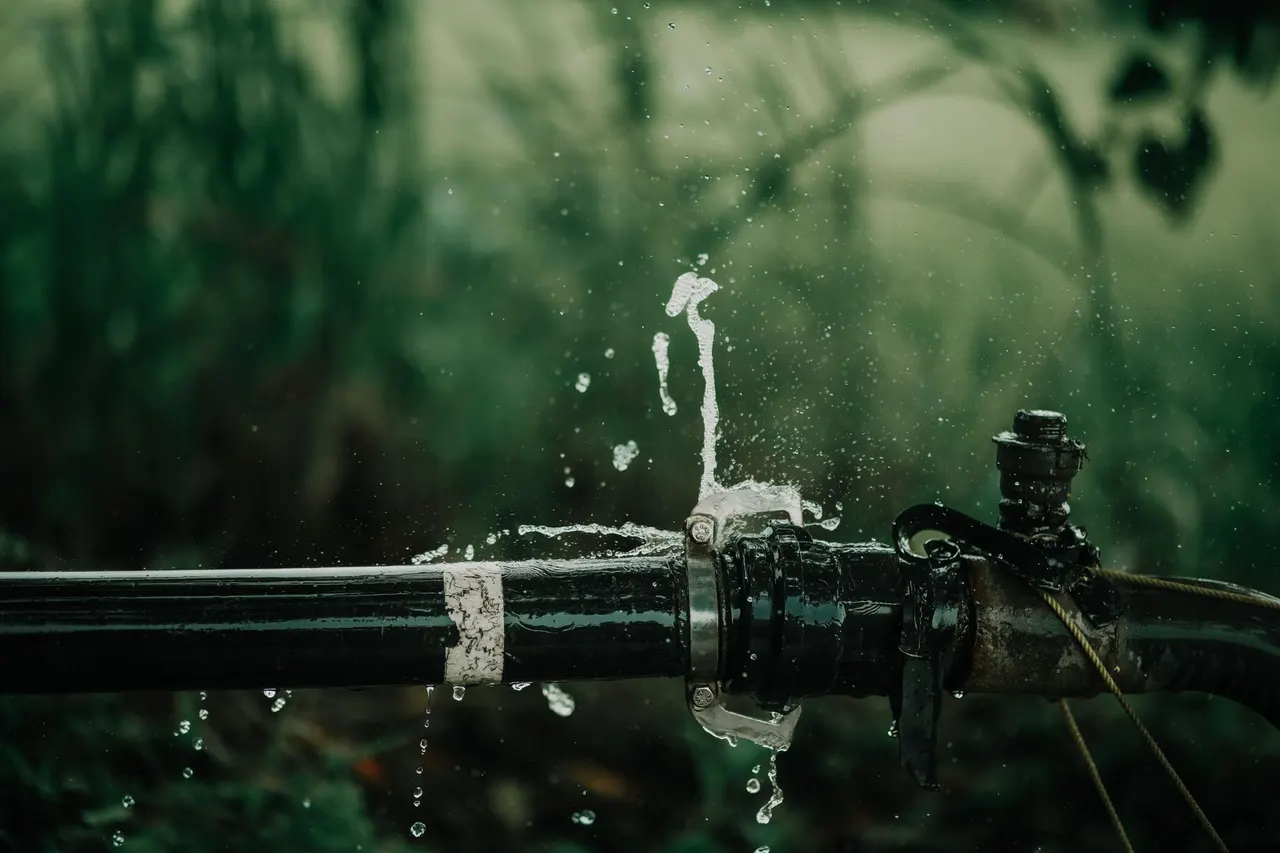
Call (562) 271-1350 and you will reach a Whittier-based leak specialist, not a call center. We answer 24/7 for emergency water leak detection and schedule same-day visits for most residential calls. Tell us what you are seeing, and we will tell you what it likely is and when we can be there.